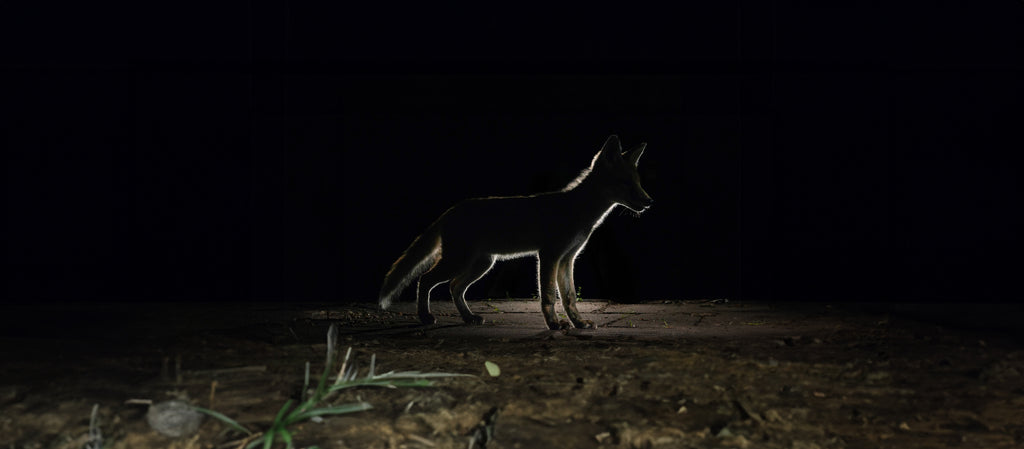
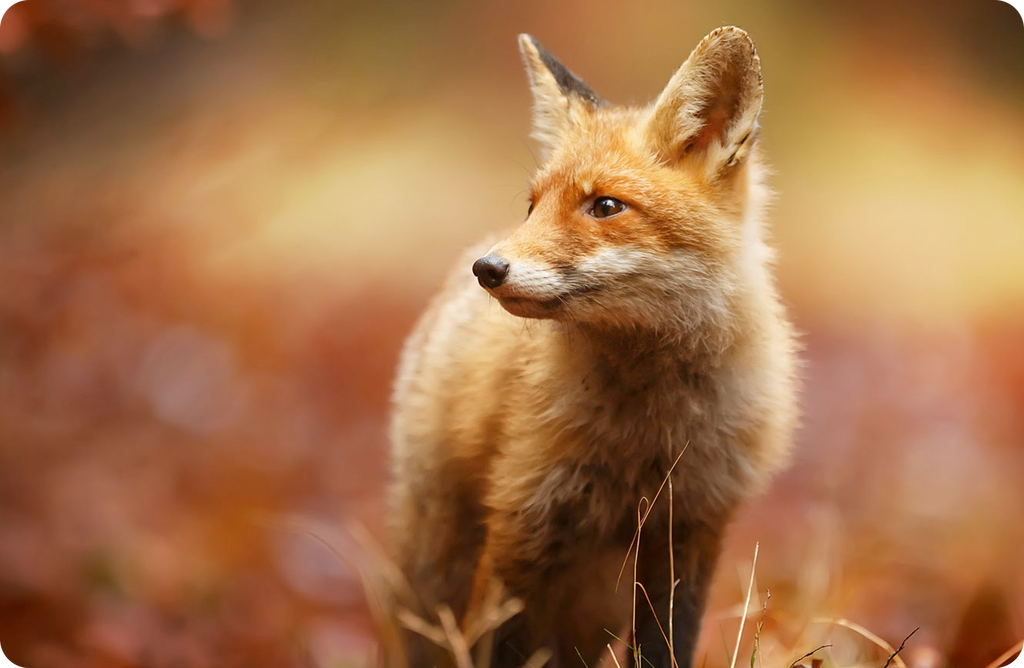
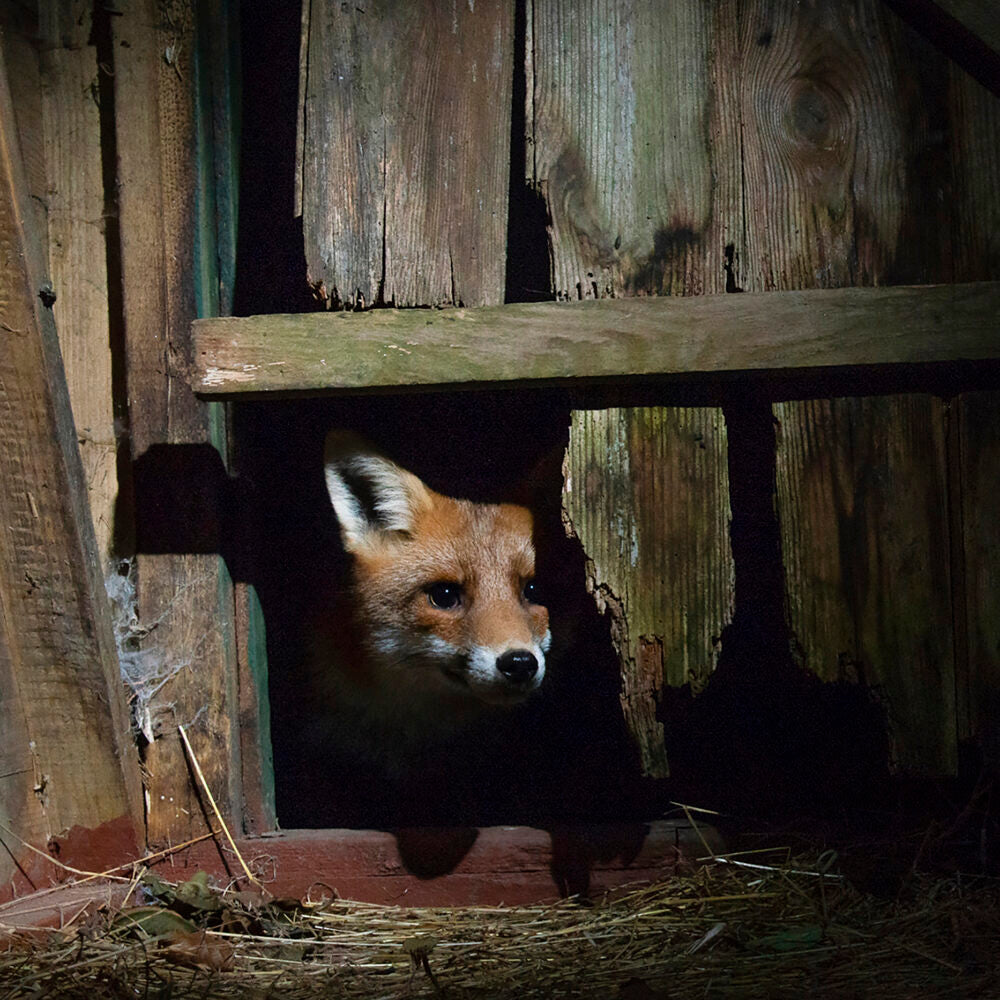
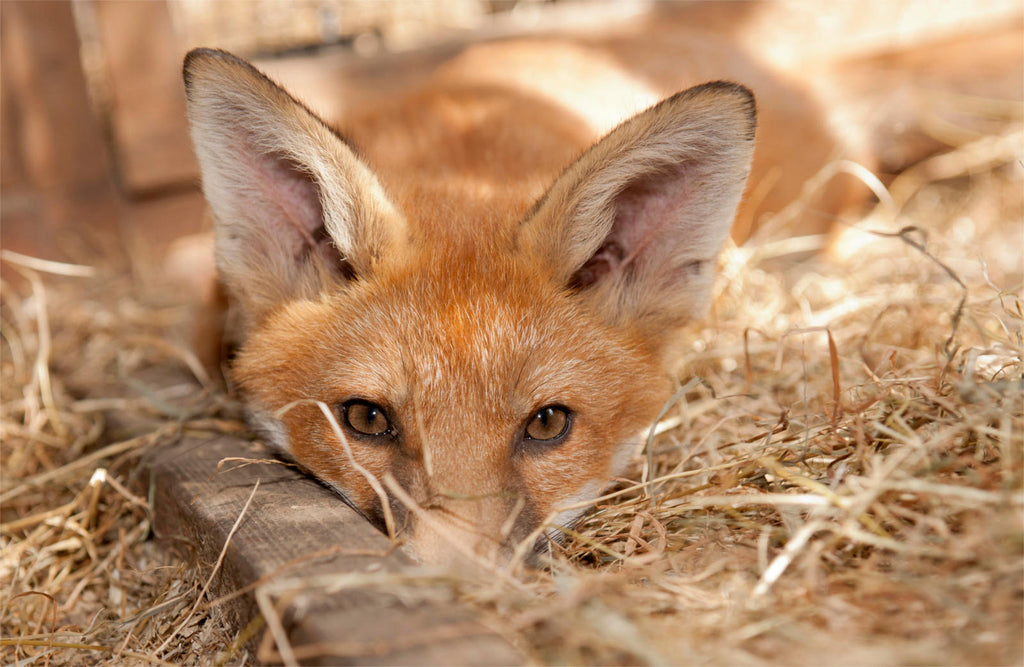
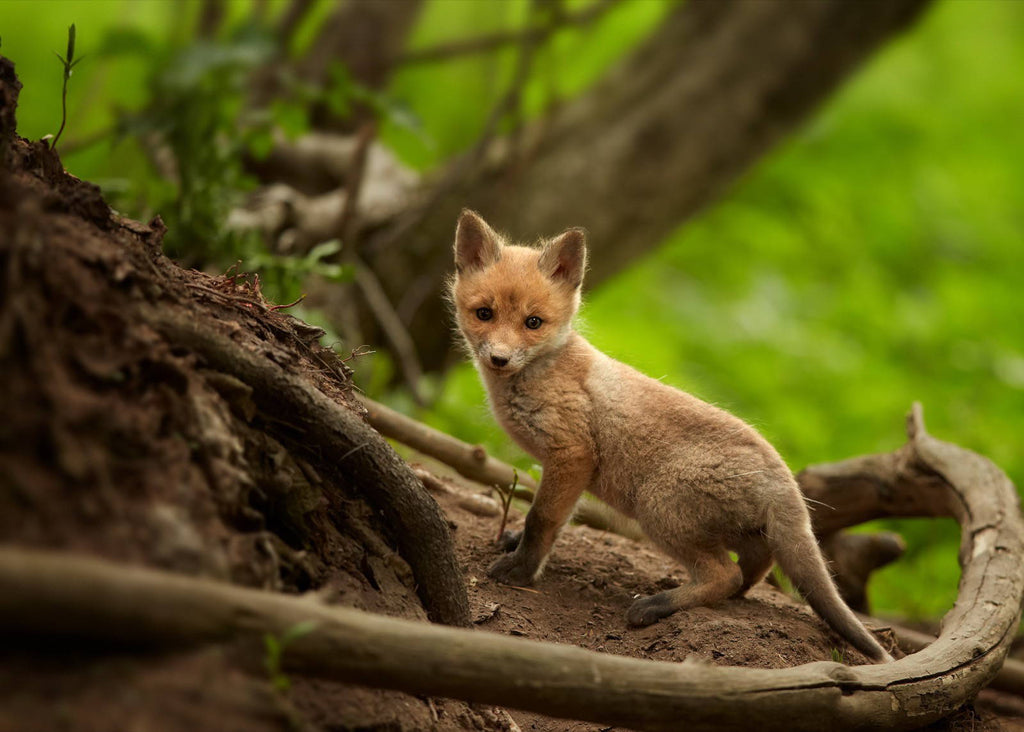
Dedicated To The Red Fox
Established in 1991 as a specialist Wildlife Information Bureau and Fox Deterrence Consultancy, we have since additionally incorporated a Wildlife Hospital since 1993 which, today - admits and treats over 1000 foxes per year, including over 300 cubs.
The Fox Project appears regularly on TV, radio and other media, both in the UK and internationally. We have received awards from the RSPCA, International Fund for Animal Welfare, media and TV.
The Fox Project is honoured to have Chris Packham and Anneka Svenska as its Patrons.

Get Involved ...

Donate Now!

Shop
Featured Products



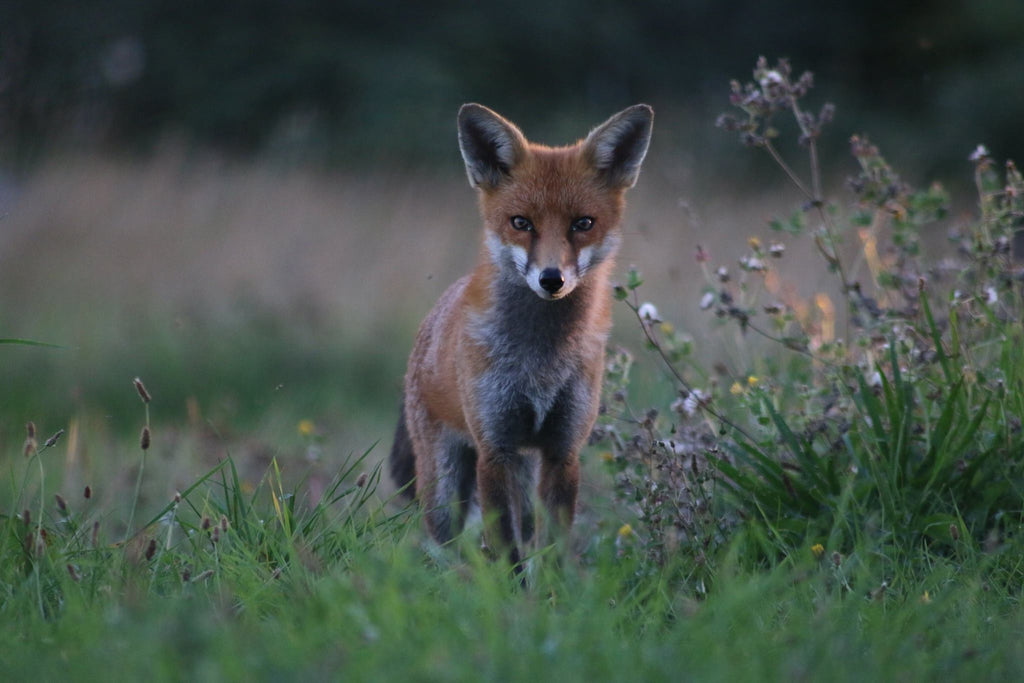
Help Make A Difference
Help us to continue rehabilitating and fostering our foxes for release back into the wild.
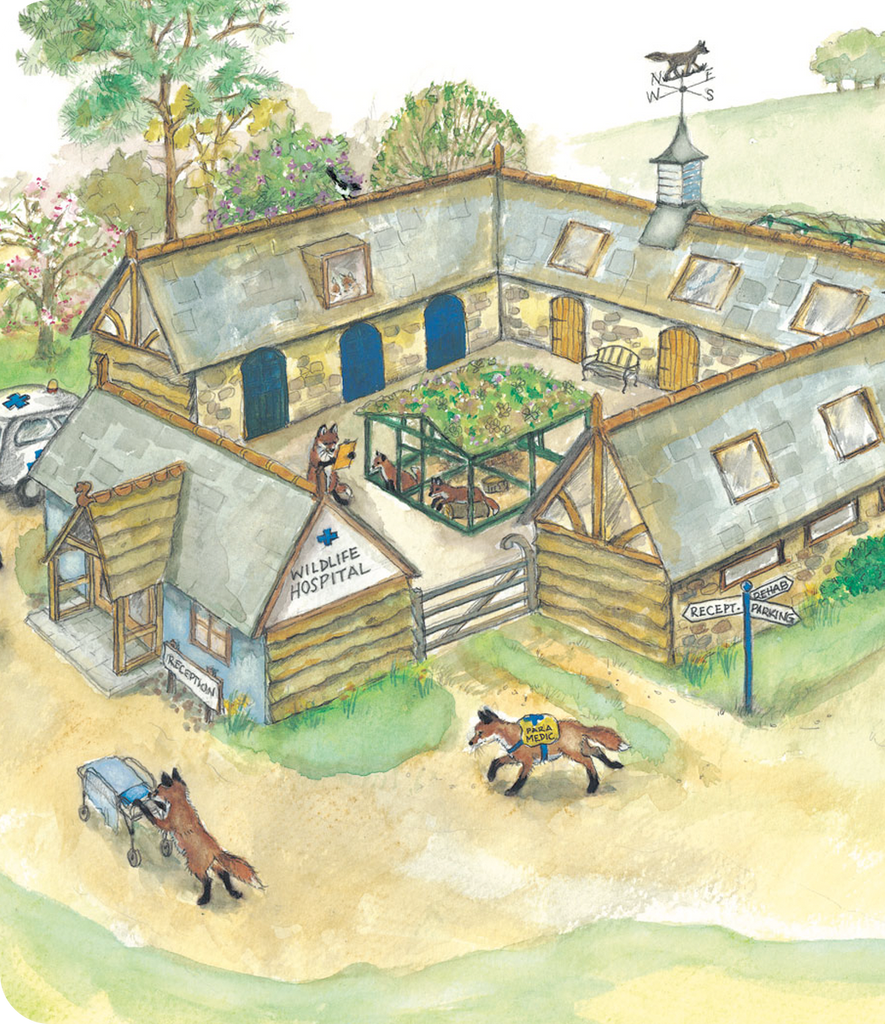
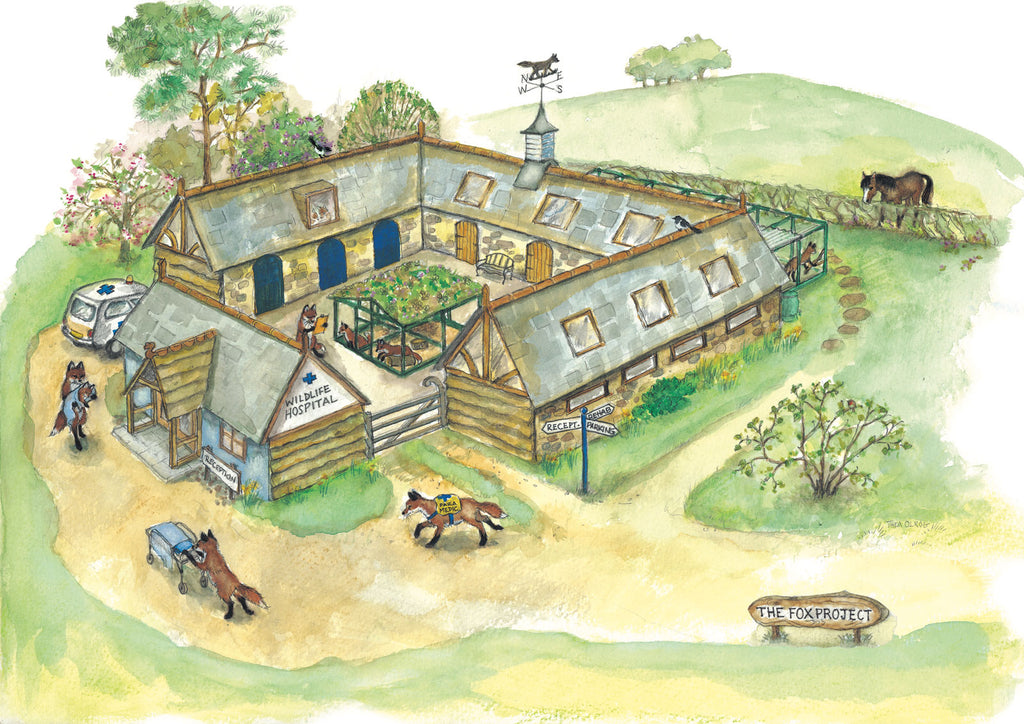
NEW Wildlife Hospital ...
The Fox Project has stood the test of time, highs and lows, ups and downs and lots of bumps in the road. But we’re still here and we’re still growing. While our pot of savings – the proceeds of a couple of significant legacies, will give us a start, it is, by no means, sufficient to complete our project. So we’re starting here! As of now, that ‘pot’ is ring-fenced and we need to keep adding to it. Are we daunted? Just a little – this will be the biggest fundraising campaign we’ve ever undertaken, but you, our supporters, have brought us this far over three decades and we know you won’t desert us now. When we get where we’re going, it will be a huge achievement for everyone involved and we’ll have a facility designed to serve wildlife well into the future